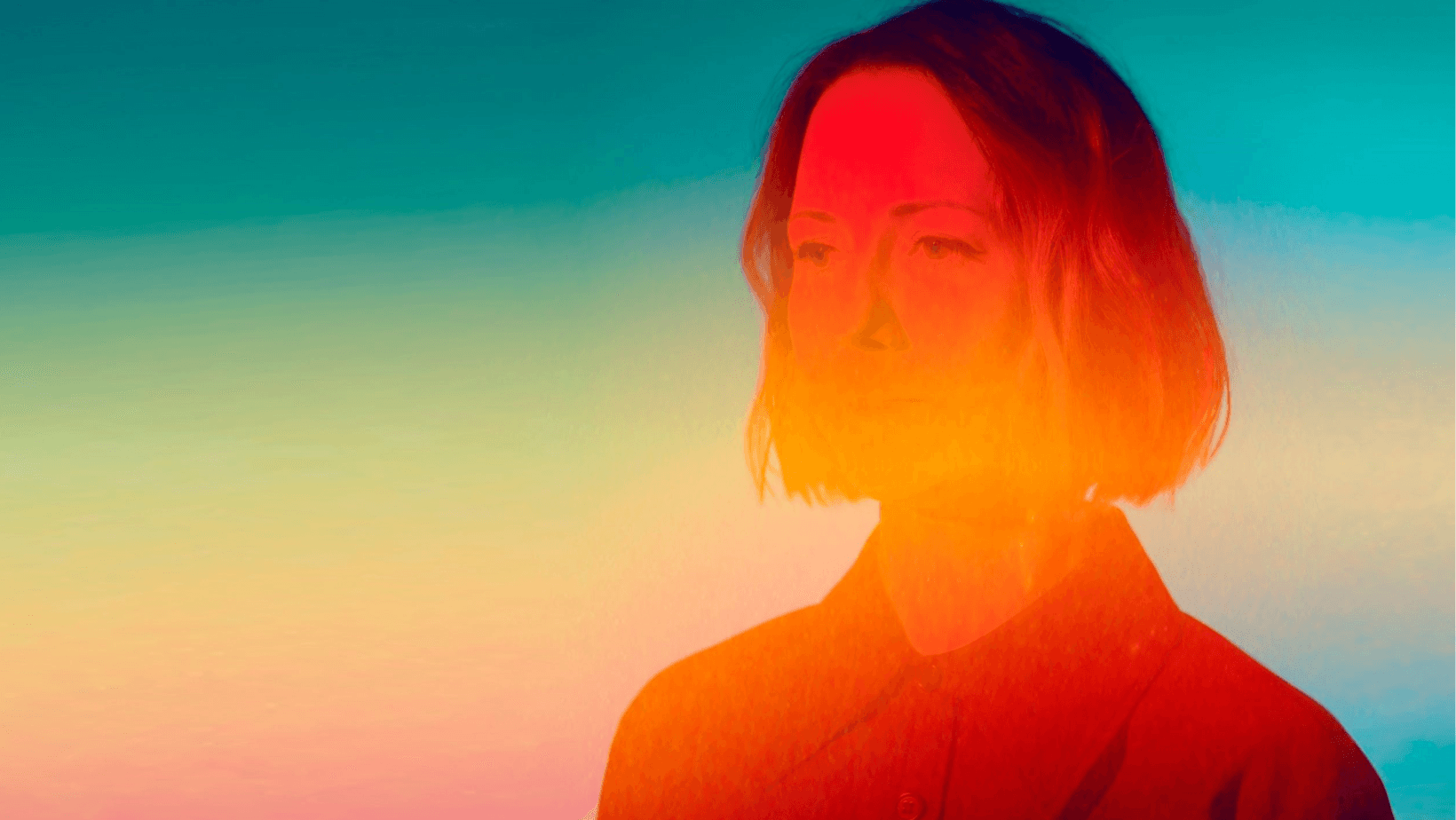


HALINA RICE: THE SOUND OF CREATIVITY
What happens when electronic music, creative coding and immersive technology come together? For audiovisual artist Halina Rice and Freny Antony, a designer, new media artist and creative technologist working under the name procedural_disarray, the answer is rarely predictable. Their long-running collaboration is built on experimentation, curiosity and a shared willingness to explore the unknown. The Institute of Creativity spoke with them about unconventional career paths, creative confidence, the relationship between art and technology, the role of AI and why even the most imaginative projects benefit from a spreadsheet.
Photography by MIchael Robert Williams

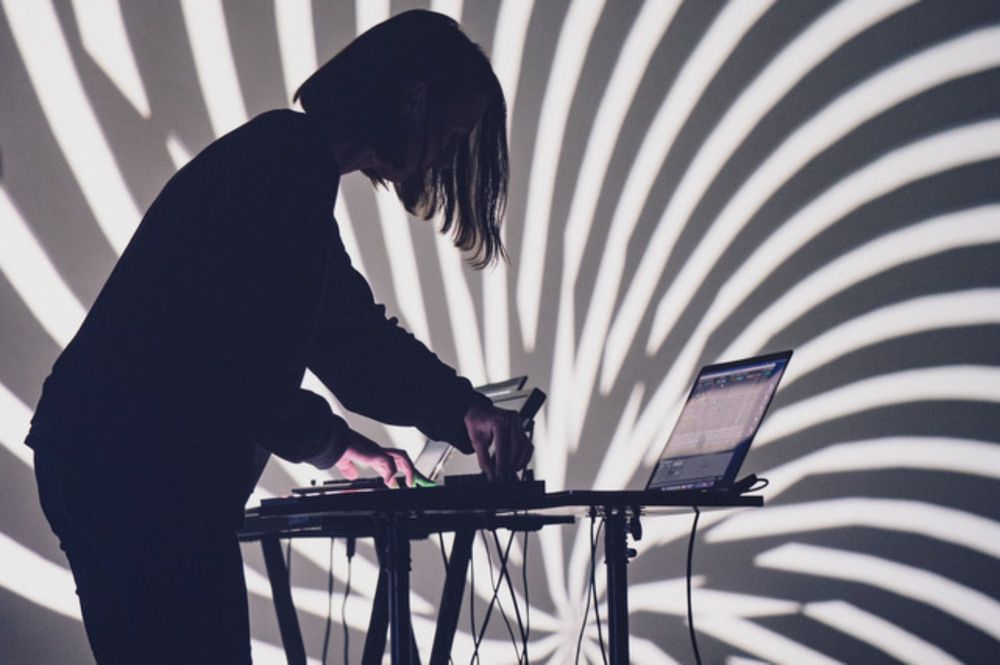
Halina, you trained as a classical musician, but your career took quite a different direction. When did you begin to see yourself as a creative professional?
Halina Rice: "I've had a journey through life where creativity wasn't necessarily at the foreground. When I was young, I studied several instruments in the classical tradition. Piano was my primary instrument, and I also studied orchestral percussion. At university, I was surrounded by incredible classical musicians. At that stage, I didn't really consider composition or creativity to be a skill in itself. If you weren't an excellent technical musician, it didn't feel like there was a way forward. I ended up working in digital retail for years, which actually turned out to be extremely useful for my music career. But I think if creativity is in you, it keeps resurfacing.
Eventually, almost by accident, I booked a three-month production course at Point Blank in London. I didn't even realise it was an electronic music college. One of the teachers demonstrated how Jon Hopkins used sampling. He dropped some keys on a table, sampled the sound and immediately turned it into a percussive pattern. I thought, that's magic.
I was discovering artists like Jon Hopkins, Moderat, Rival Consoles and Arca. Coming from an indie background, this was where indie met electronic music, with a real interest in sound and taking someone on an emotional journey. It was like looking at a shape and thinking, I'm that shape. That's what I want to do."
"If creativity is in you, it keeps resurfacing."
But recognising what you wanted to do and making it your profession were two different things.
Halina: "Absolutely. It took years of combining music with other jobs. The pandemic in 2020 made me stop and focus. I started writing music for sync libraries, and in 2021 I received an Arts Council grant to create my first immersive show. I wanted my live performances to be more than music. I wanted people to feel as though they were inside an environment. I love installations by artists like Ryoji Ikeda, where you're part of the experience. You're not simply watching somebody over there. You're at the centre of it.
That first show at Copeland Gallery in London became the beginning of the show I've since performed around the world. There's no guarantee at any point that creativity can become a profession. It's a real hustle to keep going in music. But if you want to do it, you eventually move the world in order to do it.
Freny, you come from mechanical engineering. How did you find your way into creative technology?
Freny Antony: "I originally studied mechanical engineering in India. Creativity wasn't really considered a viable career option. People generally went into engineering, medicine or other mainstream professions. Halfway through my degree, I realised I was interested in design. I eventually went to the National Institute of Design, where I first encountered people using code to make art. They were creating installations that responded to body movements and things like that. It was fascinating, but it felt very distant from what I was doing. Later, while working in the automotive industry, I realised that creativity, for me, meant exploring. I liked coming up with new ways to address problems, something I'd also taken from engineering.
Around 2020, I started experimenting with creative coding. What I loved was having a vague idea of what I wanted to make, but not knowing exactly how it would turn out. It's a bit like setting up dominoes. You put the pieces together, knock one over, and watch what happens. I eventually left my job, just as the pandemic started. I began sharing my experiments online, and Halina became the first person to pay me for the work I was making. That gave me the confidence to believe I could actually make a living from it."
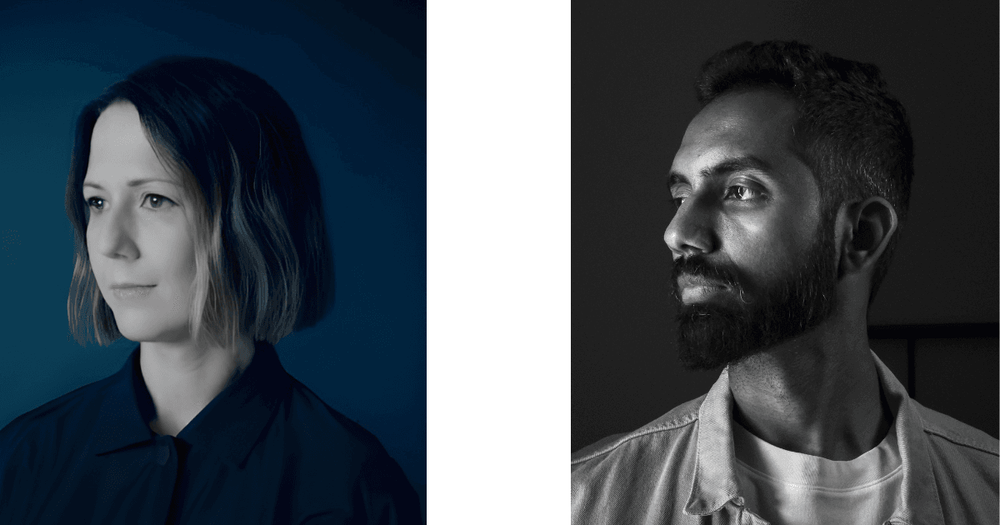
"Because we've worked together for so long, we've developed a shared creative language. We can experiment without needing to know exactly where we're going."
How did you find each other, and what made you want to collaborate?
Halina: "I was already working with visual artists because, although I have creative ideas for visuals, I'm not a visual artist myself. I'd contacted art colleges in London and started collaborating with artists on environments created in Unity and Unreal Engine. Then, around 2020, someone showed me the Instagram account procedural_disarray. I thought the work was great, so I reached out. That was Freny. We've been working closely together for about five years now."
When you create an audiovisual performance, where does the process begin? Does the music lead the visuals?
Halina: “Usually I've written the tracks, or I'm sending Freny early sketches. But we're also constantly investigating new technologies and ways of working.”
Freny: "Halina might say, this track feels highly energetic, or this one is quite mellow. I have to absorb that and think about what processes I can put together to create that feeling. But the interesting thing is that neither of us really knows what the result will look like when we begin. Because we've worked together for so long, we've developed a shared creative language. We can experiment without needing to know exactly where we're going."
Do you always agree about what looks and feels right?
Halina: "We often have a similar sense of what works, but that doesn't mean everything Freny makes automatically becomes part of the show. Sometimes he creates something wonderful that simply isn't right for a particular track or project. That doesn't mean it's bad work. We might return to it later. For me, it's always about the final experience. In songwriting, people say everything is for the song. I feel the same way. I would change anything in my power to create the best possible experience for the audience."
Freny: “I think it's important not to become too attached to something you've made. If you've spent a lot of time on an experiment and someone says it isn't working, you need to be able to put it aside and try something else. That removes some of the fear from the creative process. You don't feel that everything you've made is a reflection of your identity. Experimentation without a guaranteed outcome.”
“Creativity is experimentation. It's about having that sense of exploration and just keeping at it.”
You both seem comfortable starting projects without knowing exactly where they'll end. Is that uncertainty part of the attraction?
Freny: "Definitely. For me, creativity is experimentation. It's about having that sense of exploration and just keeping at it. What I enjoy most is figuring something out. Sometimes you accidentally press a key on your keyboard, something unexpected happens, and suddenly you've discovered something interesting. That gives you an immense sense of satisfaction. I try to find that feeling in every project. It's not necessarily about the financial incentive. It's about the experimental interest and the fun of figuring things out. Working with Halina is perfect in that sense because we have a similar attitude. We're always trying something, experimenting, and that leads to something interesting. We've developed a kind of confidence that something will come out of it, even if we don't know what that something is yet.
Halina, does experimentation play a similar role in the way you make music?
Halina: “Very much so. I often start with an unusual sound and wonder what I could do with it. Rather than thinking, I need this kind of kick drum, this kind of snare and this kind of hi-hat to make a particular genre, I might hear something bizarre and think, what if I took that little bit, reversed it and processed it? Then you arrive at something that resonates with you. And I think sometimes, if something resonates with you, it will resonate with other people as well. It's about listening for that feeling while you're experimenting."
Technology offers almost endless possibilities. But can it also become a distraction? How do you prevent yourself from getting lost in the tools?
Halina: "I think deadlines are really important. I'm someone who says, I need to do this by a certain point, and then I make sure I deliver. There's perhaps a little impatience involved. At some point I think, enough already, I need to get this finished. Because otherwise you never finish, you never perform it, and you never discover what works. That feedback loop never happens. My advice is always to make things and put them out into the world. Even when you sit next to somebody and play back a track you've just written, you suddenly hear it differently. That doesn't mean you should change everything based on someone else's opinion. Everyone's response is subjective. But you need to complete the cycle, learn from it and begin again."
Freny: “For me, it helps to think about the project rather than the software. If I'm working on something, I don't want to think of it as a TouchDesigner project and therefore limit myself to what TouchDesigner can do. I want to think, this is an idea I need to communicate visually. What's the best way to achieve that? Maybe it's TouchDesigner, maybe it's something else. That flexibility is really important. Learning from the audience.”
Halina, how much does an audience's reaction influence your work?
Halina: "It's fascinating because sometimes you write a track and think, this is the one, everybody is going to love this. And then they don't necessarily respond the way you expected. Other times you're not sure about something, and it turns out to be the track people really connect with.
I remember releasing Terrain years ago. I wasn't entirely sure about it, but I decided to release it anyway. It immediately received amazing reactions. Well-known DJs were contacting me, saying it was really cool and different. You can't really be responsible for other people's reactions. As an artist, you just have to keep producing and doing what you want to do. But I have learned things from performing live. Some of my early shows started with pure noise and sound rather than a conventional track. The pacing could move from fast to slow and back again.
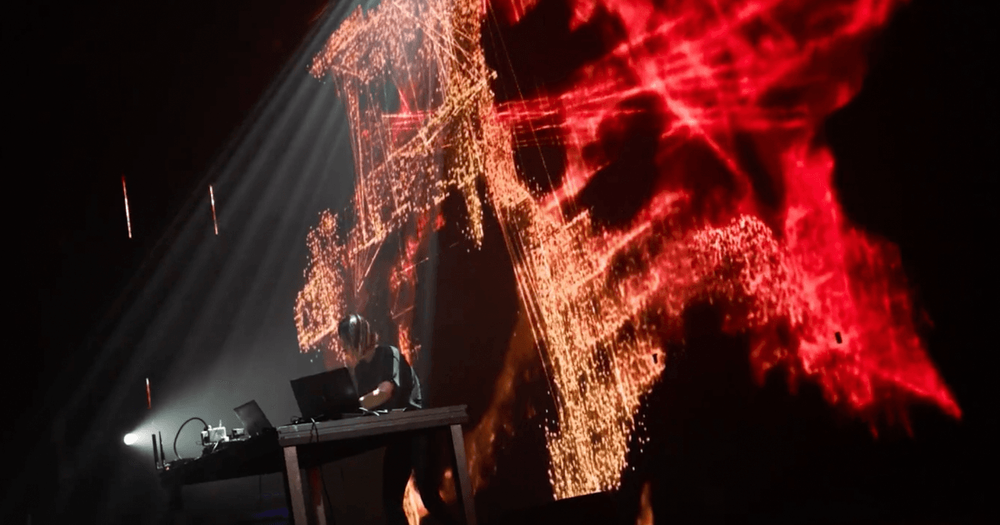
As the shows became bigger, I started thinking more about the structure of the experience, almost like storytelling. I like building towards a powerful ending. At the moment, I finish with a track called Hybrid, with these incredible visuals Freny has created. It feels as though you're flying through graphical cityscapes and strange landscapes. I like people leaving on a high."
Your performances combine music, visuals and lighting. How do you manage all those elements live?
Halina: “I actually travel with two laptops, partly for safety. Touring is expensive, and I need a setup that's light enough to transport and operate myself. One laptop runs Ableton, and the other runs the visuals through Resolume. They're synchronised through MIDI, and the lighting is also programmed through the Ableton setup. It used to involve pressing two buttons at exactly the same time, which wasn't ideal. Now the elements work together in synchronisation. I keep the systems separate because if there's a problem with the video, a technician can work on that without interfering with the music. It's all about finding practical ways to deliver something ambitious. Creating beyond the limits of technology.”
Do the tools you use influence the kind of work you make?
Freny: “Absolutely. In creative technology, you sometimes see a lot of work that looks similar because people are using the same software and techniques. Tools have their own aesthetics. If everybody is working with the same tools in the same way, you start to recognise the visual language. That's why I think it's important to keep experimenting and not become too attached to a particular tool.”
Halina: “And sometimes a new piece of technology pushes you in a completely different direction. I love discovering something unexpected in a piece of equipment, some strange function or unusual sound, and then exploring where it takes me. That was what attracted me to electronic music in the first place. The idea that a sound could become something completely different.”
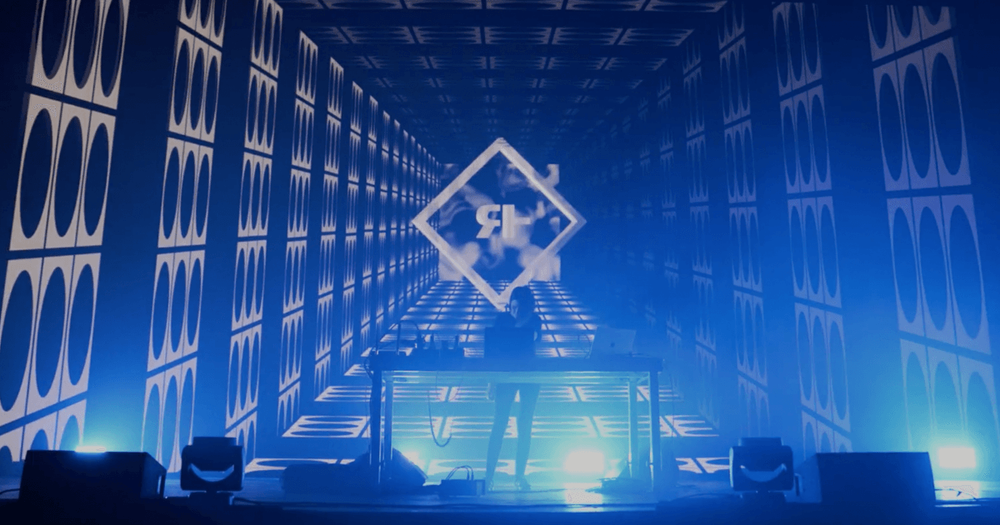
You've both worked on technically ambitious projects with a relatively small team. Does having limited resources ever hold you back?
Halina: "We're sometimes surprised by what we can produce with just the two of us. There are people doing this kind of work with whole teams and large audiovisual setups. I'm an independent artist. I don't have a record label or a manager, and I'm not even that technical myself. But we don't start by saying we need all these resources before we can do something. We start by asking: here's where we want to get to, what have we got, and how can we make it happen? If you want to do something, you find the help and assistance you need to solve the problems. And you discover wonderful communities along the way. There are people working with immersive technology all over the world, and you realise there's this international network of people who share knowledge and help each other. It's nice to feel part of that community.
“Regular communication reduces that creative anxiety.”
Creative work can be unpredictable and stressful. How do you manage your creative well-being, and do you support each other when things get difficult?
Halina: “Oh gosh. We probably should!”
Freny: "I think in some ways we do. Halina has a broader view of where the project is going because she's developing the music and the overall direction. I'm sometimes moving between this collaboration and other client projects, so she helps orient me and reminds me of the bigger picture. We talk very frequently, sometimes every few days. That really helps.
With visual and thematic work, it's often difficult to explain exactly what you're thinking. You might have a vague idea in your head, but you can't necessarily put it into words. Or two people might have very different interpretations of the same thing. Regular communication reduces that creative anxiety. You don't spend days wondering whether you're going in the right direction."
Is that something you've consciously developed over the years?
Freny: “I think it has developed naturally because we've worked together for so long. We're quite candid with each other. If Halina doesn't like something, she says so. And I've learned not to be too precious about what I make. If something doesn't work, I can move on to the next experiment. It helps reduce the fear of failure. You're not constantly thinking, what if I can't do this again?"
Does experience make creative uncertainty easier to deal with?
Freny: “Yes, definitely. Repetition gives you confidence. When you're beginning, it's difficult to know what matters most in a project. You can spend a lot of time on things that don't have much impact. Over time, you learn to identify the small number of things that make the biggest difference to the outcome. That sense of priority is incredibly useful. It reduces the resistance you feel when starting something new. And having a framework helps. When you know what you're trying to achieve, you can focus on the creative challenges rather than worrying about everything at once. The role of ego in collaboration.”
"Repetition gives you confidence."
Creativity can feel very personal. How do you keep ego from getting in the way of working together?
Halina: “I think neither of us takes ourselves too seriously as artists. I've worked in corporate environments, managing sales teams and creative teams. So I'm used to working with different people, providing information, setting timelines and giving feedback. I know that if I want Freny to do his best work, I need to give him a framework that allows him to do that. It's not about protecting my own ideas. It's about creating the best possible experience. And I'm extremely lucky to have met Freny because he has a similar mindset.”
Freny: “I think being able to separate yourself from the work is important. You can put a lot of effort into something, but that doesn't mean it has to be used. Sometimes the right thing is simply to move on. That doesn't make the experiment a failure. It might lead to something useful later.”
Artificial intelligence is changing the way people work, especially in design and creative technology. How do you feel about using AI in your creative process?
Freny: "I get asked about this a lot. I've always seen AI as another tool. Before, I might have searched Google for a solution to something. Now I might use ChatGPT. In that sense, it's another way to find information or solve a problem. But I think there's a real danger in relying on it to do the creative work for you.
If you're a designer and your job is to come up with something interesting, and you hand that entire process over to AI, you might initially feel you've achieved something. But you haven't necessarily understood what you've made. And projects don't end when you produce the first version. You need to execute them, make changes, develop them further and solve problems. If you don't understand the underlying work, that becomes increasingly difficult."
Does that concern you particularly when it comes to coding?
Freny: “Yes. People can now generate large amounts of code with AI. But if you don't understand what the code is doing, it becomes very difficult to fix problems later. You might keep asking AI to solve the next problem, but you're becoming more and more disconnected from the actual process. I'm not even making a moral argument about this. I just don't think it's a very effective way to work.”
So where do you think AI is genuinely useful?
Freny: “I once heard a good analogy comparing AI to the align tool in Illustrator. You've placed three objects on the page, and then you press align to make them line up perfectly. You did the work of deciding what should be there and where it should go. The tool helped refine it. That's how I think about AI. You do the creative work, and AI can help you improve something, solve a technical issue or get past a point where you're stuck. But the process needs to remain within your control. Your work should contain your identity, your experiences and your visual taste. If you give all of that away, it's no longer really your work.”
And you don't currently use AI to generate the visuals for Halina's performances?
Freny: “Not really. We haven't used it much for visual purposes, partly because we're not particularly attracted to the aesthetic. But for problem-solving, such as helping with a piece of code, it can be useful. The important thing is to remain involved in the process.”

“You need structure in order to make creative projects happen. There's a lot of grunt work associated with any creative project.”
You've talked about freedom, experimentation and uncertainty. Yet you also seem to work in a very structured way. Isn't that a contradiction?
Halina: “Not at all. I think you need structure in order to make creative projects happen. There's a lot of grunt work associated with any creative project. Things need to be organised, people need to know what they're doing, and deadlines need to be met. But once you have that structure, it creates room for the more anarchic creative work to emerge. I like being able to say, no, I think we can do that, and then just try it. It's about having enough structure to make the freedom possible.”
What would you say is the most underrated skill in successful creative collaboration?
Halina: “Spreadsheets. Simply, timelines. That's what I learned from years of project management: communicating and making sure everyone knows what they need to deliver and when.”
Freny: “I'd add consistency. One thing I really appreciate about Halina is that if she schedules a meeting, she'll be there. It sounds like a small thing, but it tells you that someone is committed to the project. And that makes you want to show up as well.”
Halina: “Exactly. Showing up is important. Creativity is bigger than art.”
At The Institute of Creativity, we believe creativity isn't limited to traditionally artistic professions. It's something that exists in many different forms of work and everyday life. Does that resonate with you?
Halina: “Absolutely. I had a career for many years where I wasn't labelled as one of the creative people. When I worked in fashion, I'd be running digital sales and maybe be perceived as more analytic, while other people who would be labelled as ‘creatives’. But does that distinction exist? I don't think it's fair to say that only people who express themselves through recognised art forms are creative. Everyone is creating. The creation of your own life is everyone's biggest project, isn't it? What you do day to day, how you see yourself, what your identity is. Creativity is a much wider topic than something you can put into boxes based on what you might study at art school.
Freny, do you see a connection between the problem-solving you learned as an engineer and the creativity you practise now?
Freny: “Very much so. For me, the most satisfying part is figuring something out. It might be a technical problem or a visual experiment, but the process is similar. You have an idea, you try different things, something unexpected happens, and eventually you find a solution. That moment when something works is incredibly satisfying. And I think that's why I was drawn to creative technology. It combines that problem-solving mindset with the freedom to explore.”
We ask everyone we interview this question: what is creativity to you?
Freny: "For me, it's the joy of experimentation and figuring things out. It's having an idea without knowing exactly how to achieve it, and then exploring different possibilities until something happens. There's a real satisfaction in that process. And the more you do it, the more confidence you develop. You begin to trust that even if you don't know the answer at the start, you'll find a way forward.
Halina: “It feels like freedom. It feels like you've broken through to do something else. I'm attracted to areas where I can be a little bit anarchic. I come from quite structured backgrounds, and I can make projects very structured, but I also like to break things and try something new. I like saying, no, I reckon we can do that, and just trying. It's about being able to run free rather than being told you have these tools and can only do these things. I think we'll shoot for the moon, and if we get halfway there, that's all right."
"I don't think it's fair to say that only people who express themselves through recognised art forms are creative. Everyone is creating."

Comments